Types of Cellular Shades We Install in Ottawa
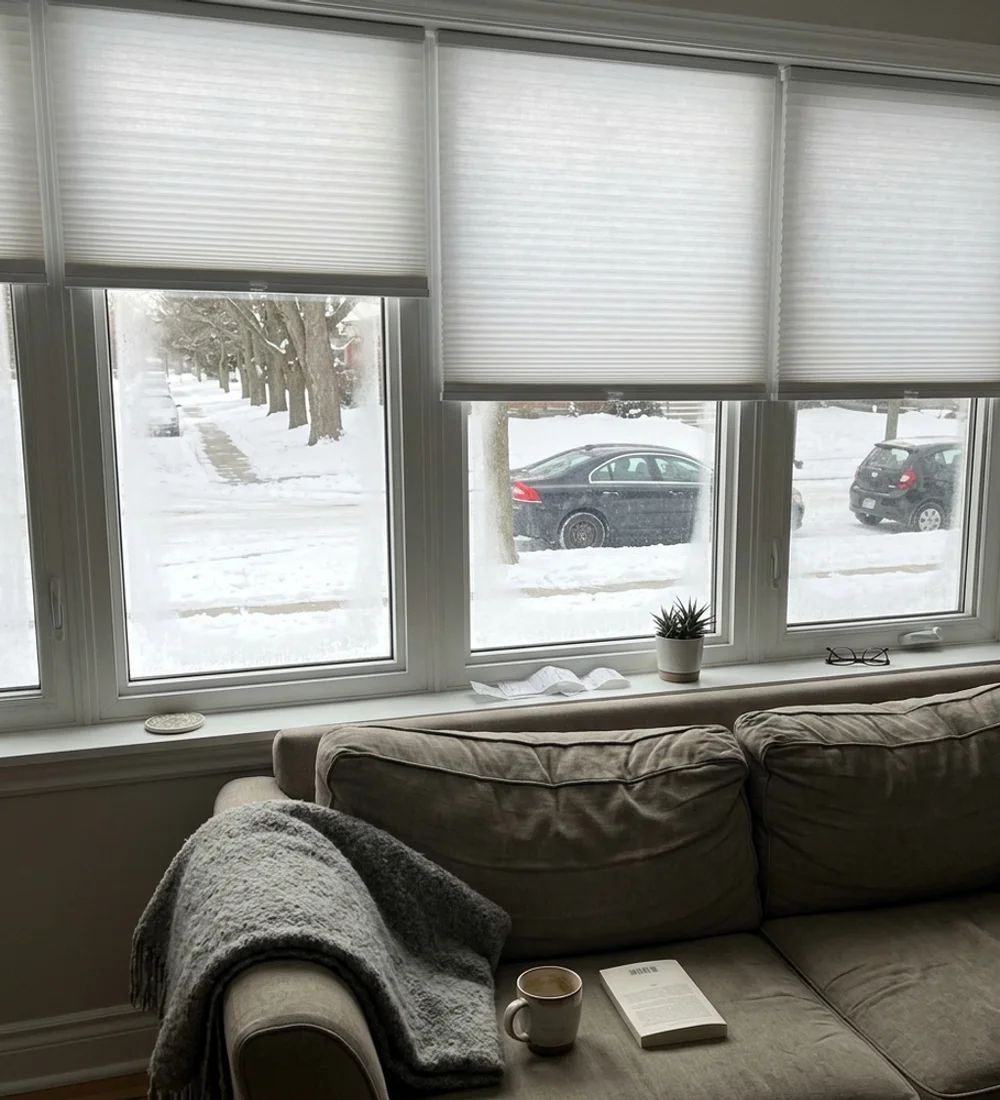
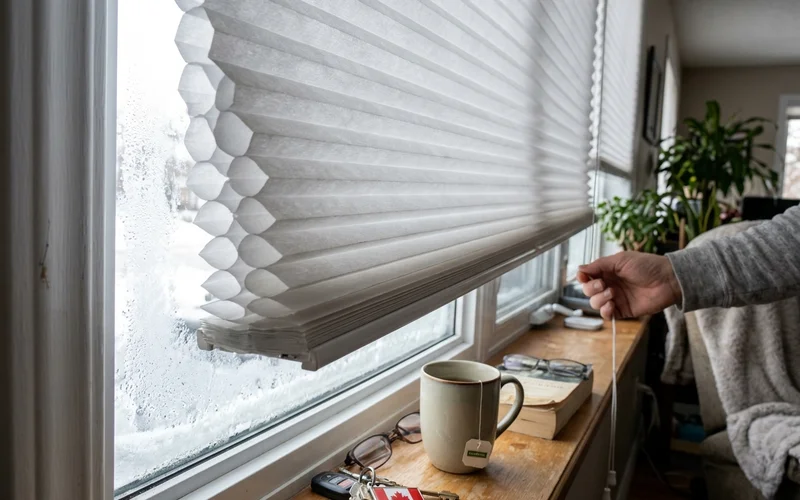
Cellular shades, also called honeycomb shades, are made of pleated spun lace polyester formed into rows of cells. Seen from the side, each cell looks like a honeycomb. Those cells hold a dead-air pocket against the glass, which is why cellular shades insulate better than any other blind.
Single-Cell Shades
One row of cells. Lighter, slimmer when raised, and the most affordable cellular option. A good fit for main living spaces and south-facing rooms.
Double-Cell Shades
Two rows of cells, so two layers of trapped air. Noticeably warmer on north-facing windows and in older homes with drafty frames.
Triple-Cell Shades
Three rows of cells for the most insulation. Best for large, cold windows where comfort matters more than a slim stack.
Blackout Cellular Shades
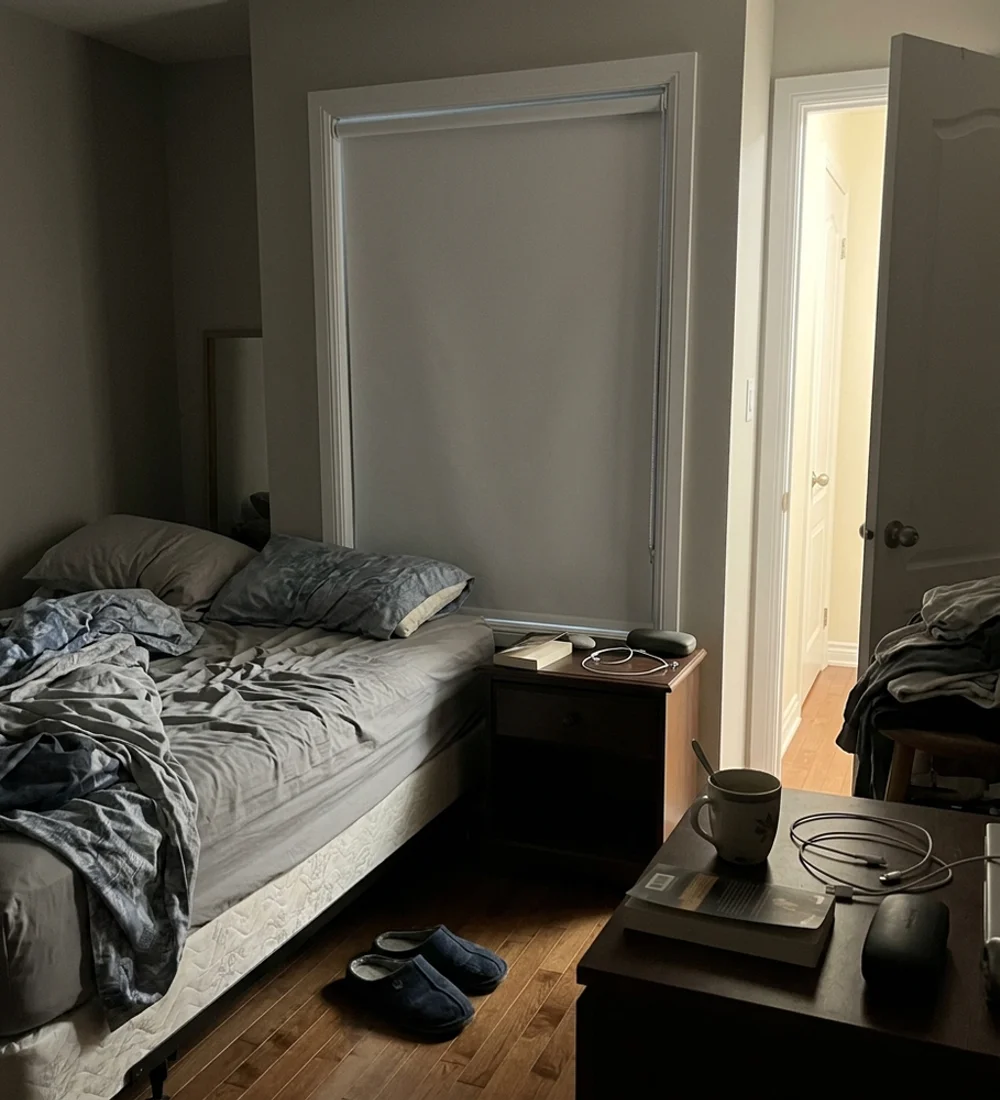
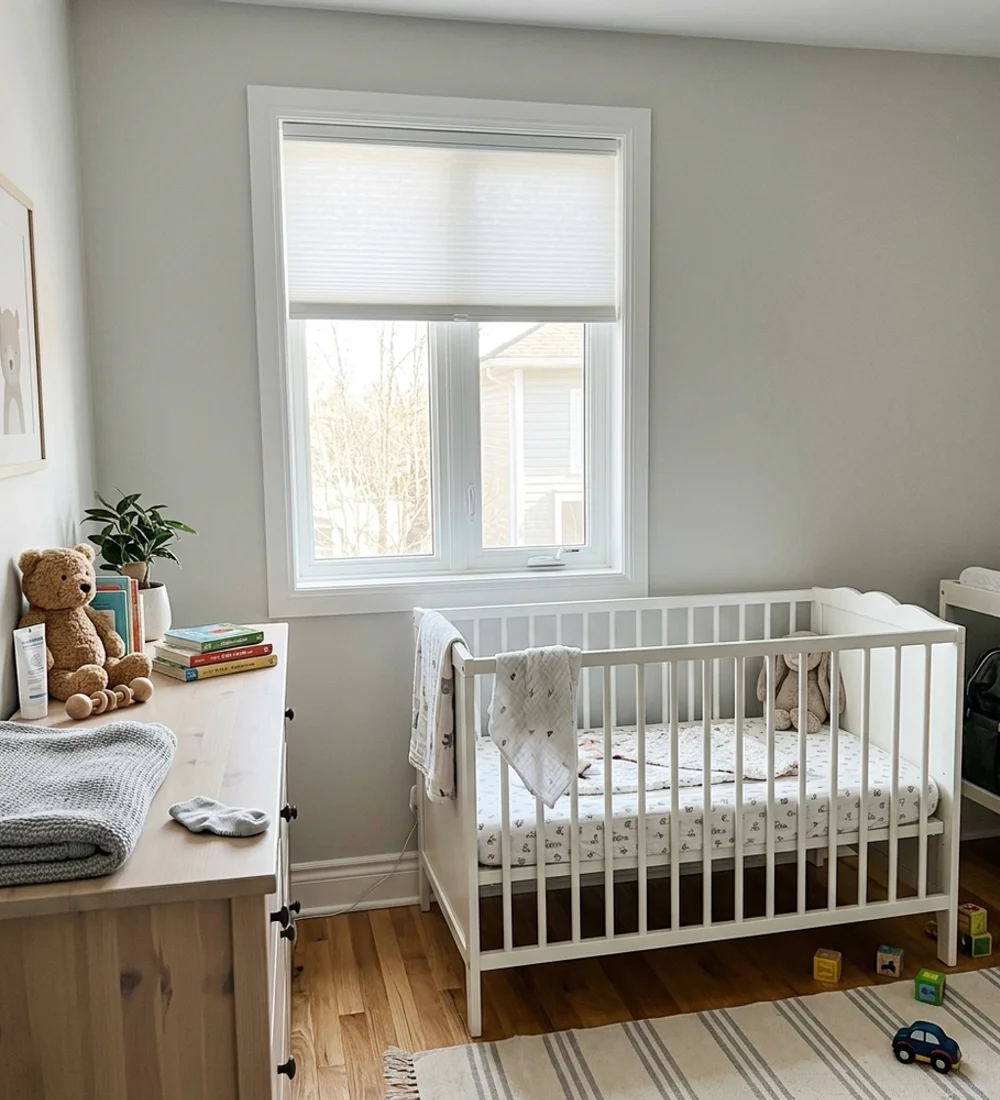
A foil lining inside the cells blocks light completely. Pair with side channels for nurseries and bedrooms.
Top-Down Bottom-Up Cellular Shades
Opens from the top, the bottom, or both. Light comes in over the shade while the lower window stays private.
5 Reasons Cellular Shades Pay Back on Ottawa Winter Heating Bills
- They trap air at the glass. A window is the coldest surface in the room. A dead-air pocket between the glass and the room slows heat loss.
- Double cell doubles the barrier. Two layers of trapped air, at a fraction of the cost of new windows.
- They fit tight. Measured to the sixteenth and mounted inside the frame, they leave very little room for cold air to fall out around the edges.
- They keep summer heat out too. The same cells slow heat gain on hot south and west windows.
- They make rooms feel warmer. The cold “draft” near a window is often cold glass chilling the air. Cover the glass and that cold spot by the sofa fades.
What Stops Ottawa Homeowners From Buying Cellular Shades?
Price shock. Cellular shades cost more than rollers, at $300-$1,100 per window installed. In our opinion, they are the best money you can spend on cold windows short of replacing them.
Custom vs stock. Stock cellular shades are cut down in store and often end up loose in the frame. That gap lets cold air spill out and wastes the insulation. Ours are measured tight.
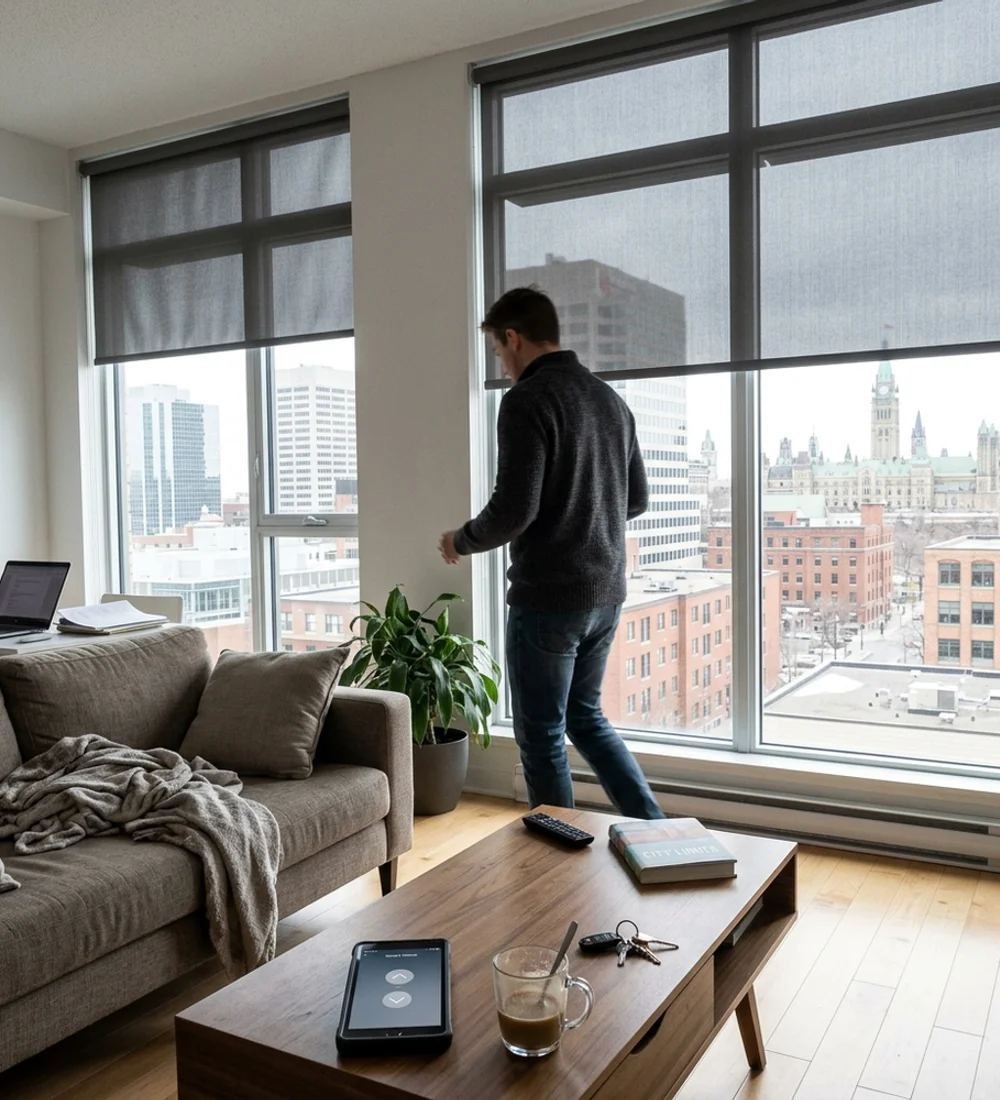
Is motorization worth it? On tall windows, great rooms and any window you want to close automatically at sunset in winter, yes. Hunter Douglas PowerView Duette is the common choice.
Delivery timeline. About 3-4 weeks. Hunter Douglas priority stock helps on popular colours, and rush is $150-$450.
How Much Do Cellular Shades Cost in Ottawa?
| Cellular option | Typical installed price |
|---|---|
| Single-cell light-filtering, standard window | $300-$500 |
| Double-cell, standard window | $380-$650 |
| Blackout cellular with side channels | $500-$900 |
| Top-down bottom-up | $450-$800 |
| Motorized Duette (PowerView) | $800-$1,100+ per window |
All prices CAD and itemised. Compare every blind on the Ottawa rate card, or try the estimator below.
Cellular Shade R-Values Explained
R-value measures resistance to heat flow: higher means better insulation. A bare double-pane window sits around R-2. Adding a single-cell shade raises the window-and-shade combination noticeably, and double-cell more again. Manufacturers publish R-values for their own lines, and those numbers vary by cell size and fabric, so we show you the rated values for the exact shade you are considering instead of quoting one number for all. What matters in practice: fit, cell count and how often the shade is down on cold nights. A double-cell shade left open all evening does nothing.
Top-Down Bottom-Up Cellular Shades: Who Needs Them?
Top-down bottom-up shades have two rails, so you can open the shade from the top, the bottom, or both. They are made for street-facing bedrooms and bathrooms, ground-floor rooms near sidewalks, and homes close to neighbours. Lower the top rail a foot or two and daylight pours in over the shade while anyone outside sees only the fabric. In Glen Cairn and Barrhaven, where houses sit close together, we install them more than any other style for front bedrooms and ensuites. They cost a bit more than a standard cellular shade and are available cordless or motorized.
How Long Do Cellular Shades Last and How Do You Clean Them?
A quality cellular shade lasts 7 to 10 years, often longer in rooms out of direct sun. The fabric, the cordless lift and how it is handled are what decide the lifespan. To clean, vacuum with a soft brush attachment every few months, or use a hair dryer on the cool setting to push dust out of the cells. Spot clean with a barely damp cloth and mild soap. Never soak a cellular shade or put it in a tub. If a cordless shade starts drifting or won’t stay put, that is a tension adjustment, which our blind repair service covers.
Single vs Double vs Triple Cell Shades
Single-cell is the lightest and slimmest when raised, with a good insulation boost over bare glass. Best for south-facing rooms and main living spaces. Double-cell traps two layers of air for more insulation and better sound dampening. It is our usual recommendation for bedrooms, north-facing rooms and older homes. Triple-cell gives the most insulation but has a deeper stack when raised and costs more. Cell size matters too: 3/8-inch pleats look neat on small windows, 3/4-inch pleats suit large windows and give a cleaner look from the street. Many clients use single-cell on the south side and double-cell on the north side of the same house.
How Much Do Cellular Shades Cost in Ontario?
Across Ontario, installed cellular shade prices vary a lot by brand, cell count, window size and lift system, and many companies only share a number after the home visit. Our Ottawa pricing is $300-$1,100 per window installed, published here so you can compare. Watch for quotes that list the shade price but add measurement, delivery or install separately later. Ours itemise every line up front. A typical Ottawa home with 10-14 windows in cordless double-cell lands roughly between $4,000 and $8,000. Our Barrhaven new-build project with 14 cordless cellular shades came in at $4,200 using single-cell on the main floor.